5 Simple but Extremely Useful Unix Commands Everyone Should Know
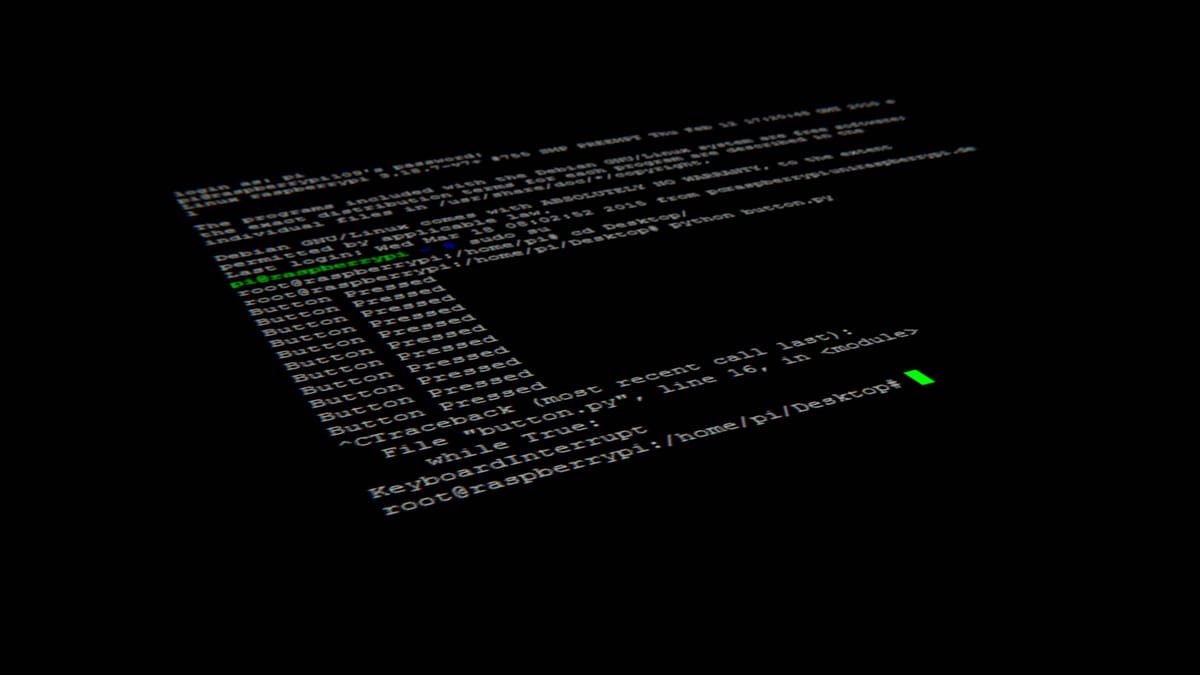
Unix-based systems power most of the internet—from servers and cloud platforms to developer machines running Linux or macOS. While modern tools often hide the command line, learning a few simple Unix commands can dramatically improve your productivity.
Here are five beginner-friendly but powerful Unix commands that are useful in everyday work.
1. ls — List Files in a Directory
The ls command shows the contents of a directory.
Basic usage
ls
This lists all files and folders in the current directory.
Useful variations
ls -l
Shows detailed information like file permissions, size, and modification date.
ls -la
Shows all files, including hidden ones (those starting with .).
💡 Why it's useful:
Quickly see what's inside a folder without opening a file manager.
2. cd — Navigate Between Directories
The cd command lets you move between directories.
Examples
cd Documents
Move into the Documents directory.
cd ..
Move up one directory.
cd ~
Return to your home directory.
💡 Why it's useful:
Efficient navigation across your filesystem directly from the terminal.
3. grep — Search Inside Files
grep is one of the most powerful Unix commands. It searches for text patterns inside files.
Example
grep "error" logfile.txt
This finds every line in logfile.txt containing the word error.
Recursive search
grep -r "password" .
Search for the word password in all files in the current directory.
💡 Why it's useful:
Developers and sysadmins use it constantly to find logs, errors, and configuration values.
4. df — Check Disk Space
The df command shows disk usage on your system.
Example
df -h
The -h flag shows human-readable sizes (MB, GB).
Example output:
Filesystem Size Used Avail Use%
/dev/sda1 100G 45G 50G 47%
💡 Why it's useful:
Quickly check if a server or machine is running out of disk space.
5. top — Monitor System Processes
The top command shows a real-time view of running processes.
Run
top
You’ll see:
- CPU usage
- Memory usage
- Active processes
- System load
Press q to quit.
💡 Why it's useful:
Helps identify programs consuming too much CPU or memory.
Final Thoughts
The Unix command line might look intimidating at first, but even a handful of commands can dramatically improve your efficiency.
The five commands we covered:
ls— list filescd— navigate directoriesgrep— search textdf— check disk usagetop— monitor system activity
Mastering these basics gives you a solid foundation for working with Linux, macOS, and servers.